stolen generation application form qld
Understanding the Stolen Generations Application Form QLD
This form facilitates reparations for survivors, acknowledging historical injustices towards Aboriginal and Torres Strait Islander peoples․ Queensland strives to offer healing and justice through this process․

What is the Stolen Generations?
The Stolen Generations represent a deeply painful chapter in Australian history, encompassing Aboriginal and Torres Strait Islander children forcibly removed from their families and communities․ This systematic removal occurred throughout the 20th century, driven by assimilation policies enacted by governments and missions․
These policies aimed to sever cultural ties and integrate Indigenous children into white Australian society, often resulting in profound trauma and loss of identity․ The removals were justified under the guise of “protection” or “welfare,” but in reality, they inflicted immense suffering on individuals, families, and communities․
The impact of these forced separations continues to resonate today, manifesting in intergenerational trauma, health disparities, and social disadvantage․ Understanding the Stolen Generations is crucial for acknowledging the past and working towards reconciliation and healing․ The application form is a direct response to this history․

Historical Context of Forced Removals
The forced removal of Aboriginal and Torres Strait Islander children wasn’t a spontaneous event, but a result of policies evolving over decades․ Early colonial attitudes fostered beliefs in Indigenous inferiority, justifying intervention in family life․ From the late 19th century, legislation empowered authorities to remove children deemed “neglected” or “at risk,” often based on biased assessments․

The early 20th century saw increased removals under the guise of “protection,” aiming to assimilate children into white society․ Post-World War II, assimilation policies intensified, with removals becoming more widespread and systematic․ Missions and government institutions became custodial sites, often characterized by harsh conditions and abuse․
Despite growing awareness of the harm caused, removals continued into the 1970s․ The Bringing Them Home report (1997) exposed the full extent of the injustice, prompting calls for national apology and redress․ The current application form acknowledges this painful history and seeks to provide reparations․
Queensland’s Response to the Stolen Generations
Queensland has undertaken several steps to address the legacy of the Stolen Generations, acknowledging the profound harm inflicted upon Aboriginal and Torres Strait Islander peoples; Following the 1997 Bringing Them Home report, the state initiated inquiries and consultations with affected communities․
A key component of Queensland’s response is the provision of reparations and redress․ The current application form is central to this effort, offering financial and non-financial support to survivors․ The government also established a Stolen Wages Reparations Scheme, recognizing the historical theft of wages and savings․
Furthermore, Queensland actively promotes healing and reconciliation initiatives․ These include culturally appropriate support services, memorialization projects, and educational programs․ The qld․gov․au/reparations website serves as a vital resource, providing information and guidance to applicants navigating the redress process․

Eligibility Criteria for the Application
Determining eligibility involves verifying forced removal status, residency, and connection to the Stolen Generations, ensuring fair access to reparations and support services․
Who Qualifies as a Member of the Stolen Generations?
Individuals qualify as members of the Stolen Generations if they were forcibly removed from their families or communities as children, under the policies of past Australian governments․ This removal impacted their connection to culture, language, and kinship networks․ Specifically, the Queensland application considers those removed between the early 20th century and the 1970s, though individual circumstances are carefully assessed․
Eligibility extends to those who experienced forced removal even if not directly placed in institutions․ This includes children taken into the care of foster families or other non-Indigenous guardians․ The application process requires demonstrating this removal was not solely for the child’s protection, but due to policies targeting Aboriginal and Torres Strait Islander people․ Proving this historical context is crucial for a successful application, often requiring supporting documentation and testimonies․
Furthermore, the definition encompasses those affected by the broader impacts of these policies, including subsequent generations experiencing intergenerational trauma․ While direct removal is the primary criterion, understanding the lasting consequences is vital for a holistic approach to redress․
Defining “Forced Removal” in the Queensland Context
“Forced removal” within the Queensland application isn’t limited to physical abduction․ It encompasses situations where Aboriginal and Torres Strait Islander families felt compelled to relinquish their children due to threats, intimidation, or overwhelming pressure from authorities․ This pressure often stemmed from discriminatory laws and policies targeting Indigenous families and their parenting practices․
The Queensland context recognizes that consent obtained under duress isn’t genuine consent․ If a parent signed documents relinquishing their child due to fear of further intervention or loss of other children, it’s considered a forced removal․ Demonstrating this coercion is key, often through historical records or personal testimonies․
The application acknowledges the systemic nature of these removals, driven by assimilation policies aiming to sever Indigenous children from their culture․ This involved interventions by police, welfare agencies, and church missions, all operating within a framework of racial discrimination․ Establishing this systemic context strengthens the claim of forced removal․
Residency Requirements for Application
While the Stolen Generations Application Form QLD is specifically for those impacted within Queensland, current residency isn’t a strict requirement for eligibility․ Individuals who were forcibly removed as children while residing in Queensland, even if they’ve since moved interstate or overseas, can still apply for reparations․
The key factor is the location of the forced removal event, not the applicant’s current address․ The application process focuses on establishing that the removal occurred within Queensland’s jurisdiction and under the policies prevalent at the time․ Proof of removal from a Queensland institution or by a Queensland authority is crucial․
Applicants are encouraged to provide their current contact details for communication purposes, but this doesn’t affect their eligibility․ The scheme aims to address historical injustices regardless of where survivors currently live, recognizing the lasting impact of forced removal on individuals and communities․

The Application Process: A Step-by-Step Guide
Applying is streamlined via a secure online portal, or through downloadable forms․ Support services are readily available to assist applicants throughout each stage of the process․
Accessing the Application Form
The Stolen Generations Application Form QLD is readily accessible through multiple channels, ensuring ease of access for all applicants․ The primary method is via the dedicated online application portal, offering a fast and secure pathway to submit your claim․ This portal is designed with user-friendliness in mind, guiding you through each step of the process․
Alternatively, physical copies of the application form can be obtained from designated locations, including Aboriginal and Torres Strait Islander community centers and relevant government offices throughout Queensland․ These locations can provide assistance with form completion if needed․
Before commencing your application, it’s beneficial to consider if you would like support․ You can lean on trusted individuals or utilize the Scheme Support Services available․ For assistance navigating the online portal specifically, a dedicated helpline is available at 1800 566 111․ Detailed guidelines and instructions are also provided on the official websites to ensure a smooth application experience․
Online Application Portal
Our secure online application portal represents the quickest and most efficient method for submitting your Stolen Generations redress claim in Queensland․ This platform is designed to streamline the process, offering 24/7 accessibility from any device with an internet connection․ Before you begin, consider who might provide you with valuable support during the application process․
The portal features clear, step-by-step instructions and prompts to guide you through each section․ You’ll be able to upload required documentation directly, ensuring a secure and organized submission․ If you encounter any technical difficulties or require assistance, our dedicated support team is available to help․
Remember, you can call 1800 566 111 for immediate support with the online portal․ We encourage applicants to take their time and carefully review all information before submitting․ The portal prioritizes data security and confidentiality, protecting your sensitive information throughout the application journey․
Required Documentation
Submitting a complete application necessitates gathering specific documentation to verify your experiences as a member of the Stolen Generations․ This documentation serves as crucial evidence supporting your claim for redress and helps establish your eligibility under Queensland’s scheme․
Generally, applicants will need to provide proof of identity, such as a birth certificate or driver’s license․ Crucially, evidence of forced removal is required – this may include institutional records, letters from government agencies, or statutory declarations from family members detailing the circumstances of the removal․
Additional supporting documents could encompass medical records demonstrating the impact of removal, school records, or any other materials that corroborate your story․ The application form itself provides a detailed checklist of acceptable documents․ Ensure all copies are clear and legible to avoid processing delays․ Support services can assist with locating and compiling these records․
Support Services Available During Application
Navigating the application process can be emotionally challenging, and Queensland provides dedicated support services to assist applicants every step of the way․ Recognizing the sensitive nature of these claims, these services aim to ensure a respectful and trauma-informed experience․
The Scheme Support Services offer confidential guidance and assistance with completing the application form, gathering necessary documentation, and understanding the process․ You can access this support through a dedicated helpline at 1800 566 111․
Furthermore, culturally appropriate counselling services are available to provide emotional support and address any trauma related to the Stolen Generations․ These services are designed to empower applicants and promote healing․ Support is available from trusted individuals or organizations, and the online portal provides resources to connect you with appropriate assistance․
Reparations and Redress Offered
Queensland offers both financial reparations and non-financial redress, including a $21 million Stolen Wages Reparations Scheme for eligible applicants․
Financial Reparations Details
The Queensland Government’s commitment to addressing past wrongs includes substantial financial reparations for members of the Stolen Generations․ The $21 million Stolen Wages Reparations Scheme is a key component, specifically targeting individuals whose wages or savings were unlawfully taken by previous government administrations․
Eligibility for financial reparations is determined through a careful assessment of individual circumstances and supporting documentation․ The amount of reparation varies depending on the documented evidence of stolen wages and the impact experienced by the applicant․ The scheme aims to provide meaningful compensation for the economic hardship endured․
Applicants can expect a thorough review process, ensuring fairness and transparency in the allocation of funds․ Support services are available to assist applicants in gathering the necessary documentation and navigating the application process․ This financial redress is a vital step towards acknowledging the lasting harm caused by historical injustices and fostering healing within affected communities․
Non-Financial Forms of Redress
Beyond financial compensation, Queensland recognizes the importance of holistic redress for Stolen Generations survivors․ This encompasses a range of non-financial support services designed to address the profound emotional, social, and cultural impacts of forced removal․
Access to culturally appropriate healing programs is a central element of this approach․ These programs provide safe spaces for survivors to share their experiences, connect with community, and begin the journey of healing from intergenerational trauma․ Counselling services, tailored to the specific needs of Stolen Generations members, are also readily available․
Furthermore, the Queensland Government is committed to preserving and promoting Aboriginal and Torres Strait Islander cultures․ This includes supporting initiatives that revitalize languages, traditions, and cultural practices․ Recognizing the importance of truth-telling and reconciliation, efforts are underway to document and share the stories of the Stolen Generations, fostering greater understanding and empathy within the broader community․
Stolen Wages Reparations Scheme
The Palaszczuk Government established a $21 million scheme to address the historical injustice of stolen wages from Aboriginal and Torres Strait Islander Queenslanders․ This scheme acknowledges that past governments unlawfully controlled and withheld the earnings and savings of Indigenous people․
The scheme is now open for applications, offering a pathway for individuals to reclaim wages that were unjustly taken․ Eligibility criteria apply, focusing on those whose wages or savings were directly controlled by the government or its agents under restrictive legislation․ The application process requires documentation to verify employment history and demonstrate the loss of earnings․
This initiative represents a significant step towards rectifying past wrongs and providing a measure of financial redress to those affected․ It aims to empower survivors and contribute to their economic wellbeing, acknowledging the lasting impact of these historical injustices․ Further details and application forms are available through official Queensland Government resources․
Key Resources and Official Websites
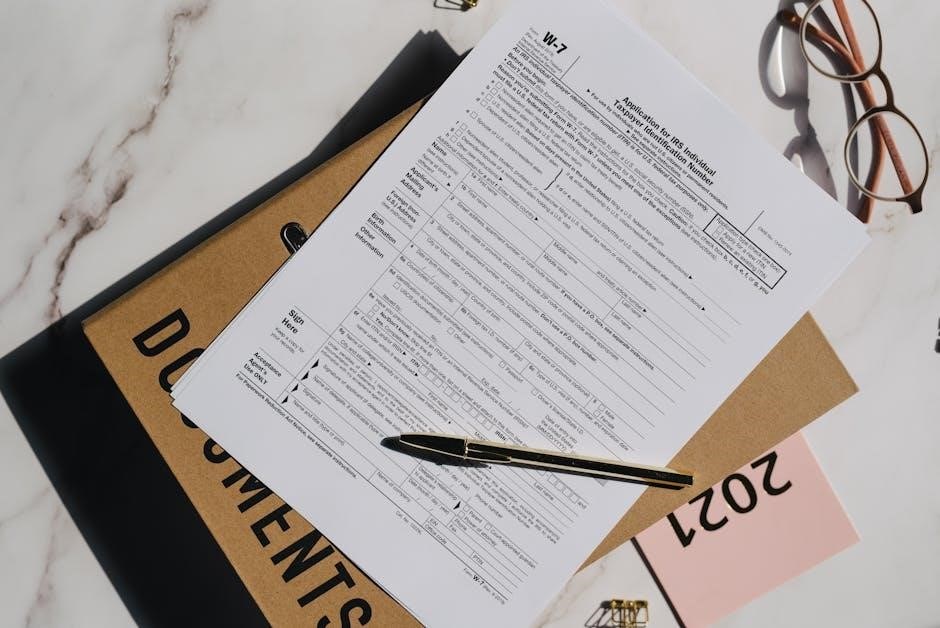
For application forms and guidelines, visit territoriesredress․gov․au․ Queensland Government information regarding reparations is readily available at qld․gov․au/reparations for applicants․
territoriesredress․gov․au
The territoriesredress․gov․au website serves as a central hub for individuals seeking to understand and navigate the Stolen Generations redress application process․ It provides comprehensive access to official application forms, ensuring survivors and their families can initiate their claim with ease․
Beyond the forms themselves, the website offers detailed guidelines and explanatory materials, clarifying eligibility criteria and outlining the necessary documentation required for a successful application․ This resource is particularly valuable for those unfamiliar with the process or requiring assistance in gathering supporting evidence․
Furthermore, territoriesredress․gov․au features a wealth of information regarding the broader context of the Stolen Generations, including historical background, relevant legislation, and frequently asked questions․ It’s designed to empower applicants with knowledge and support throughout their journey towards seeking redress and acknowledging the profound impact of past injustices․ The site also provides contact information for Scheme Support Services․
qld․gov․au/reparations
The Queensland Government’s qld․gov․au/reparations website is a dedicated resource for information pertaining to reparations for the Stolen Generations within the state․ It complements the national territoriesredress․gov․au portal by providing specific details relevant to Queensland applicants․
This site details the Palaszczuk Government’s $21 million Stolen Wages Reparations Scheme, now open for applications from Aboriginal and Torres Strait Islander Queenslanders whose wages or savings were unjustly taken by previous administrations․ It clarifies eligibility for this specific scheme and guides potential applicants through the process․
Beyond the Stolen Wages scheme, qld․gov․au/reparations offers broader information on redress mechanisms available to survivors, including links to support services and relevant legislation․ It serves as a crucial point of contact for Queensland residents seeking to understand their rights and access the support they deserve, fostering healing and reconciliation․
The Bringing Them Home Report and its Impact
The landmark “Bringing Them Home” report, released in 1997, remains foundational to understanding the Stolen Generations and the need for redress․ It meticulously traced the history and devastating consequences of forced removals on Aboriginal and Torres Strait Islander families and communities․
The report’s 54 recommendations were pivotal in advocating for national reconciliation and healing initiatives․ These recommendations directly influenced the development of reparations schemes, including the current application processes available through territoriesredress․gov․au and qld․gov․au/reparations․
“Bringing Them Home” provided irrefutable evidence of the systemic injustices inflicted upon Indigenous Australians, prompting a national conversation about historical trauma and the ongoing need for support․ Its impact continues to shape policies and programs aimed at addressing the intergenerational effects of forced removal, ensuring a pathway towards justice and a more equitable future․