christmas music pdf piano

Christmas Music PDF Piano: A Comprehensive Guide

Christmas Music PDF Piano offers a convenient and accessible way to enjoy festive tunes! Digital sheet music provides instant access to a vast library of arrangements,
catering to all skill levels – from beginners to advanced pianists. Explore classic carols and modern interpretations, readily available for download and printing.

What is Christmas Music PDF Piano?

Christmas Music PDF Piano represents the digital distribution of piano sheet music for beloved holiday songs, delivered in Portable Document Format (PDF). This format allows musicians to easily download, view, and print arrangements directly from various online sources. It encompasses a wide spectrum of musical styles, from traditional carols like “Jingle Bells” and “O Christmas Tree” to jazzy reinterpretations of classic themes.

Essentially, it’s a modern approach to accessing piano music, eliminating the need for physical sheet music books. Resources like Etsy, MuseScore, and composer websites offer extensive catalogs. These PDFs cater to diverse skill levels, with options ranging from beginner-friendly arrangements with simplified melodies to complex harmonies and rhythms for advanced players. The convenience of instant access and printability makes Christmas Music PDF Piano an increasingly popular choice for pianists of all ages and abilities during the festive season.

Why Use PDF Sheet Music for Piano?

PDF sheet music for piano offers unparalleled convenience and cost-effectiveness. Unlike traditional printed music, PDFs are instantly accessible upon purchase, eliminating shipping costs and wait times. This immediate availability is particularly beneficial during the holiday season when you want to start playing your favorite carols right away!

Furthermore, PDFs are easily stored and organized digitally, saving physical space. They also allow for adjustable printing – you can choose the paper size and print only the songs you need. Many PDFs include helpful features like practice sheets, audio examples, and adjustable tempos, enhancing the learning experience.

The affordability of Christmas Music PDF Piano is another significant advantage, with numerous free options available alongside paid collections. This accessibility makes learning and enjoying piano music more inclusive for everyone.

Popular Christmas Songs Available in Piano PDF Format

A delightful array of Christmas songs are readily available in piano PDF format, catering to diverse musical tastes. Classics like “Jingle Bells,” “O Christmas Tree,” and “Joy to the World” are consistently popular choices, often found in beginner-friendly arrangements.

More advanced pianists can explore jazz arrangements of traditional carols, offering a fresh and sophisticated take on familiar melodies. “The BEST Christmas Songs on Piano” by Samuel Alexandre Rousseau, available on MuseScore.com, showcases a beautiful selection.

“Twelve Days of Christmas” is a frequently requested piece, with simplified versions available for beginners on sites like MakingMusicFun.net. Harry Likas’s collection features 30 jazzy standards, while Sally Deford provides intermediate arrangements, expanding the repertoire for various skill levels. These PDFs ensure a festive and musically enriching holiday season!
Finding Free Christmas Piano Sheet Music

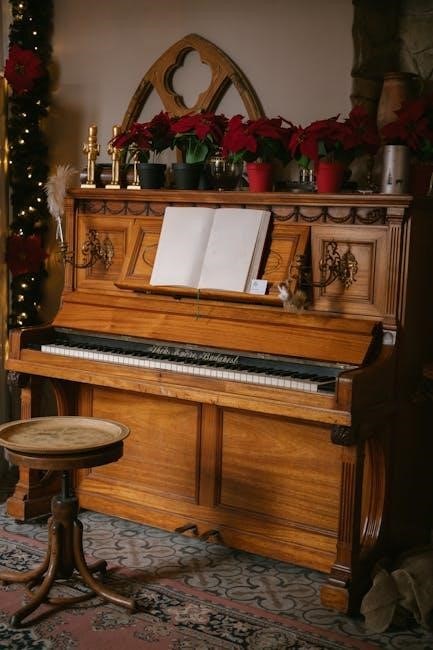
Locating free Christmas piano sheet music is surprisingly easy! Numerous online resources offer downloadable PDFs, including websites, forums, and composer pages, providing accessible festive tunes.
Harry Likas’s 30 Free Jazzy Christmas Standards

Harry Likas, a respected figure in jazz education – having served as the technical editor of Mark Levine’s The Jazz Theory Book and contributing to The Jazz Piano Book – generously offers 30 free jazzy Christmas arrangements for piano.

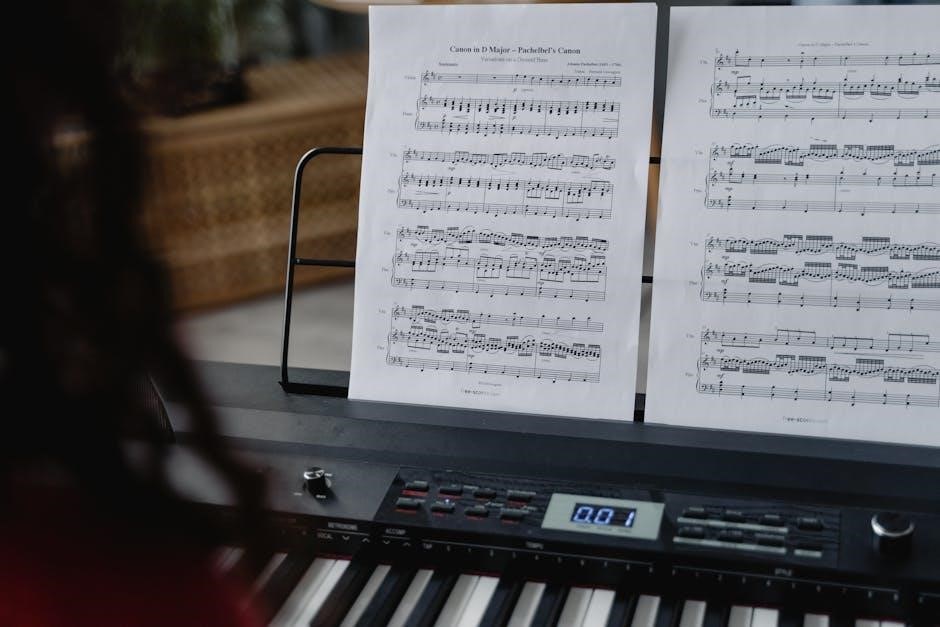
These aren’t simple renditions; they’re sophisticated arrangements of well-known Christmas tunes, imbued with a jazz sensibility. Available as downloadable PDF files directly from his Patreon page, this collection provides a fantastic opportunity to explore a different side of holiday classics.

The arrangements cater to pianists comfortable with jazz harmony and improvisation, offering a challenging yet rewarding experience. Likas’s expertise shines through in the thoughtful voicings and inventive interpretations, making this a standout resource for jazz piano enthusiasts seeking festive material. Access these arrangements by visiting his Patreon page and downloading the PDFs.

Sally Deford’s Intermediate Arrangements

Sally Deford provides a treasure trove of intermediate piano arrangements of Christmas music, readily available online. A standout resource, her collection is particularly valuable for pianists who have moved beyond beginner levels but aren’t yet ready for advanced repertoire.

The arrangements are known for their quality and musicality, offering a satisfying playing experience without being overly complex. You can find a wide selection of these beautiful arrangements on her website, http://www.defordmusic.com/sheet-music/music-by-topic/. Simply click on the “Christmas” category to expand the list and explore the available pieces.

This collection is considered rare due to the high quality of the arrangements at this skill level, making it a highly recommended resource for intermediate pianists looking to expand their Christmas repertoire. Download the PDF sheet music and enjoy!

MakingMusicFun.net: Easy Piano Options

MakingMusicFun.net is an excellent online resource for easy piano sheet music, particularly well-suited for beginners and those seeking simplified arrangements of classic Christmas carols; The website offers a selection of popular songs specifically arranged for easy piano playing, making them accessible to a wider range of skill levels.

One notable offering is the free, downloadable sheet music for “Twelve Days of Christmas,” designed for easy learning and enjoyment. The arrangements prioritize simplicity, focusing on clear melodies and straightforward accompaniments. This allows students to quickly grasp the fundamentals and build confidence.

Print and download these PDF files directly from the website to begin practicing immediately. MakingMusicFun.net provides a user-friendly platform for finding and accessing simplified Christmas music, perfect for festive learning!

MuseScore.com: Samuel Alexandre Rousseau’s Collection

MuseScore.com hosts a fantastic collection of Christmas piano sheet music, notably featuring arrangements by Samuel Alexandre Rousseau. His work, “The BEST Christmas Songs on Piano,” is readily available for download in PDF or MIDI format, offering flexibility for pianists.

Rousseau’s arrangements are designed for solo piano, providing a rich and complete musical experience. The collection includes a variety of beloved Christmas tunes, beautifully transcribed for piano performance. These pieces are suitable for intermediate to advanced players seeking engaging repertoire.

The platform allows for easy access and printing of the sheet music, making it convenient for practice and performance. FauxKiwi arranged the music for piano solo, ensuring a high-quality and enjoyable playing experience. Explore Rousseau’s collection on MuseScore.com for festive inspiration!

Beginner-Friendly Christmas Piano Music

Beginner Christmas Piano Music focuses on simplified arrangements and easy-to-read sheet music. Explore collections on Etsy, emphasizing simple melodies and utilizing practice sheets for skill development!

Easy Carol Collections on Etsy

Etsy presents a delightful marketplace brimming with Easy Carol Collections specifically designed for beginner piano players. These collections often feature well-known Christmas carols arranged with simplified notation, making them accessible for those new to the instrument or seeking a relaxed playing experience.

A standout feature of many Etsy offerings is the inclusion of practice sheets. These aren’t just sheet music; they’re comprehensive learning tools! They’re tailored to help you master each song, boosting confidence and refining technique as you progress. Furthermore, some sellers provide audio accompaniment – clips and exercises for popular tunes like “Jingle Bells,” “O Christmas Tree,” and “Joy to the World.”

Remember, these are digital products, meaning no physical item will be shipped. Upon purchase, you’ll receive instant access to a high-quality PDF file, ready for printing at home or a local print shop, allowing you to begin playing immediately. It’s a convenient and affordable way to build your Christmas piano repertoire!

Focus on Simple Melodies

When embarking on your Christmas piano journey, especially as a beginner, prioritizing simple melodies is key to success and enjoyment. Don’t attempt complex arrangements immediately; instead, concentrate on recognizing and playing the core tune of each carol. This builds a strong foundation in music reading and hand coordination.

Look for sheet music that emphasizes the melody line, often presented with minimal accompaniment. Focus on accurate rhythm and note reading before adding embellishments. Start with songs you already know well – familiarity aids learning.

Gradually introduce simple left-hand patterns, like single notes or basic chords, to support the melody. Remember, the goal is to create a recognizable and pleasing rendition of the carol, not a virtuosic performance. Consistent, focused practice on these simplified versions will yield significant progress and build confidence.

Utilizing Practice Sheets for Improvement

Practice sheets are invaluable tools for accelerating your Christmas piano learning. These supplementary materials, often included with beginner collections like those found on Etsy, provide targeted exercises to reinforce specific skills. They move beyond simply playing the song and focus on isolating challenging sections or techniques.

Effective practice sheets might include rhythm drills, finger exercises related to the piece, or chord progression practice. They help solidify muscle memory and improve accuracy. Don’t skip these – they are designed to address common stumbling blocks.

Regularly incorporating practice sheets into your routine will enhance your understanding of the music and build fluency. Treat them as focused workouts for your piano skills, complementing the enjoyment of playing the complete songs. Consistent use will lead to noticeable improvement!

Intermediate to Advanced Christmas Piano Music

Intermediate to advanced players can explore jazz arrangements, complex harmonies, and solo piano pieces. Discover challenging arrangements offering a richer, more sophisticated musical experience!

Exploring Jazz Arrangements

Jazz arrangements of Christmas classics inject a fresh, sophisticated energy into familiar melodies. These arrangements often feature altered harmonies, improvisational sections, and swinging rhythms, transforming traditional carols into exciting piano pieces.

Harry Likas offers 30 free jazzy Christmas standards available as downloadable PDFs through his Patreon page, providing a fantastic starting point for exploring this genre. These arrangements are thoughtfully crafted and suitable for intermediate to advanced pianists seeking a challenge.

Jazz arrangements demand a strong understanding of music theory and technique, including chord voicings, scales, and improvisation. They present an opportunity to develop your musicality and explore a different side of Christmas music. Expect to encounter complex chord progressions and rhythmic variations that elevate the listening and playing experience.

Complex Harmonies and Rhythms

Advanced Christmas piano music frequently incorporates complex harmonies and rhythms, moving beyond simple chord progressions and predictable beats. Expect to encounter altered chords, extended harmonies (like 9ths, 11ths, and 13ths), and sophisticated voice leading that adds depth and color to the music.

Rhythmic complexity might include syncopation, polyrhythms, and irregular time signatures, demanding precise execution and a strong sense of pulse. Jazz arrangements, in particular, often feature these elements, requiring pianists to navigate challenging rhythmic patterns.

Mastering these intricacies requires dedicated practice and a solid foundation in music theory. Successfully interpreting these pieces unlocks a deeper appreciation for the artistry involved and elevates your piano playing to a new level. These arrangements aren’t just about playing notes; they’re about conveying emotion and musical nuance.

Arrangements for Solo Piano
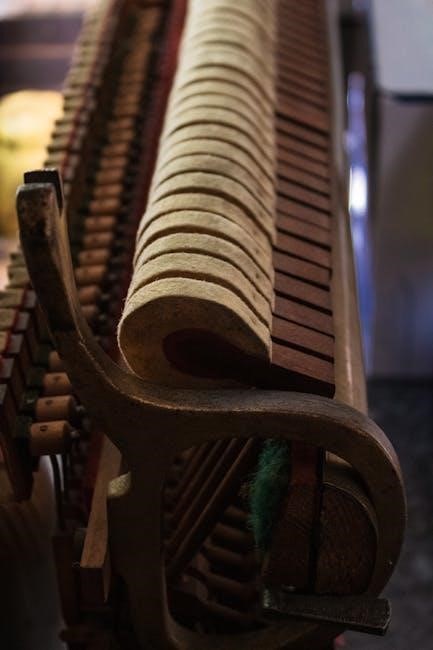
Arrangements for solo piano of Christmas music offer a unique and intimate listening experience, showcasing the pianist’s skill and interpretation. These arrangements often expand upon the original melodies, adding elaborate introductions, interludes, and codas to create a fuller sound.

Many composers and arrangers create versions that allow a single pianist to emulate the sound of a larger ensemble, utilizing techniques like broken chords, arpeggios, and octave doubling to fill out the harmonic texture. Samuel Alexandre Rousseau’s collection on MuseScore.com exemplifies this, providing rich and expressive solo piano pieces.

These arrangements demand a high level of technical proficiency and musicality, requiring the pianist to balance melody, harmony, and rhythm effectively. They are ideal for performers seeking to challenge themselves and deliver captivating solo performances during the holiday season.

Resources for Downloading Christmas Piano PDFs

Numerous online platforms provide Christmas piano PDFs, ranging from free options like MuseScore to paid collections on Etsy and exclusive content via Patreon subscriptions.

Etsy for Paid Collections

Etsy emerges as a vibrant marketplace brimming with diverse Christmas piano sheet music collections, often crafted by independent musicians and arrangers. These paid collections frequently offer a higher level of arrangement quality and unique interpretations compared to free resources.

You can discover “Easy Carol Collection (PDF Pattern)” which includes practice sheets designed to enhance your skills and audio exercises for popular carols like “Jingle Bells”. These collections are delivered as instant digital downloads, allowing immediate access upon purchase.

The benefit of Etsy lies in supporting individual creators while gaining access to thoughtfully curated and often more challenging arrangements. Expect to find options catering to various skill levels, from beginner-friendly to more advanced players seeking intricate arrangements. Always review seller ratings and previews before purchasing to ensure the collection aligns with your musical goals.

Patreon for Exclusive Content

Patreon provides a direct avenue to support composers and arrangers offering exclusive Christmas piano sheet music. Many musicians utilize Patreon to share arrangements not readily available elsewhere, fostering a community around their work.

Harry Likas, for example, offers 30 free jazzy Christmas standards through his Patreon page as downloadable PDF files. This represents a substantial collection of unique arrangements, showcasing his expertise as a technical editor of jazz theory resources.

Becoming a Patron often unlocks access to a wider range of content, including early releases, alternate arrangements, and even personalized requests. It’s a fantastic way to directly contribute to the creation of new Christmas piano music while gaining access to a curated library of festive tunes. Explore different composer’s Patreon pages to discover their unique offerings and support their artistry!

Directly from Composer Websites

Composer websites often serve as a primary source for Christmas piano sheet music PDFs, offering arrangements directly from the creator. This approach ensures authenticity and supports the artist directly, bypassing intermediary platforms.

Sally Deford, a prolific arranger, provides a wealth of intermediate-level Christmas arrangements on her website, defordmusic.com. Her collection, easily accessible by clicking the “Christmas” category, features high-quality arrangements rarely found elsewhere.

Exploring individual composer websites can reveal hidden gems and unique interpretations of classic carols. Many composers offer both free and paid arrangements, catering to various skill levels and preferences. This direct access fosters a connection between the musician and the audience, supporting the continued creation of beautiful Christmas piano music.

Tips for Printing and Using Christmas Piano PDFs

Optimal printing requires quality paper and correct sizing. A music stand is essential for comfortable reading, ensuring proper posture and clear visibility of the PDF notation!

Paper Quality and Size

Choosing the right paper significantly impacts your playing experience with Christmas piano PDFs. For optimal clarity, opt for a heavier weight paper – around 24lb or 90gsm – to prevent bleed-through if using a pen for markings. Standard letter size (8.5 x 11 inches) is generally suitable, but verify the PDF’s intended dimensions before printing.

Consider bright white paper for enhanced contrast, making the notes easier to read during long practice sessions. If you plan to print double-sided, a slightly heavier weight is even more crucial. Many PDFs are designed for home printing, so testing a single page first is always recommended to ensure proper scaling and legibility. Adjust your printer settings accordingly to avoid any cropping or distortion of the musical notation.

Experiment with different paper finishes – matte or glossy – to find what best suits your preference and lighting conditions. Ultimately, the goal is to create a readable and durable sheet music copy that will withstand repeated use throughout the holiday season!

Reading Music Notation

Successfully navigating Christmas piano PDFs hinges on a solid understanding of music notation. Familiarize yourself with the staff, clef signs (treble and bass), and note values – whole, half, quarter, and eighth notes; Recognizing key signatures and time signatures is also crucial for accurate rhythm and pitch.

Pay close attention to dynamic markings (p for piano, f for forte) and articulation symbols (staccato, legato) to convey the intended expression. Understand rests and their corresponding durations. If encountering unfamiliar symbols, consult a music theory resource or online tutorial.

Practice sight-reading regularly to improve your speed and accuracy. Start with simpler arrangements and gradually progress to more complex pieces. Don’t hesitate to use a pencil to mark fingerings, dynamics, or any other helpful reminders directly on the PDF printout. Consistent practice will unlock the joy of playing your favorite Christmas carols!

Using a Music Stand

A sturdy music stand is an invaluable asset when working with Christmas piano PDFs. It positions the sheet music at a comfortable eye level, promoting good posture and reducing neck strain during practice and performance. This allows for effortless reading while keeping your hands free to play the piano.

Adjust the stand’s height and angle to suit your individual needs and the lighting conditions. Consider a stand with page holders to prevent the sheets from flipping or sliding. For digital PDFs, a tablet holder attachment can be incredibly useful.

Ensure the stand is stable and won’t easily tip over. Proper setup minimizes distractions and allows you to fully focus on the music, enhancing your learning and enjoyment of festive piano pieces. A well-positioned music stand is a small investment with a significant return!


zebra zd620 manual

Zebra ZD620 Manual: A Comprehensive Guide

This comprehensive guide details the Zebra ZD620 and ZD420 Link-OS printers, covering installation, configuration, and operation for both integrators and operators.

The Zebra ZD620 is a direct thermal/thermal transfer desktop printer designed for light-duty printing applications. It represents a significant upgrade over legacy models, offering superior print quality and sustained high speeds. This printer is ideal for various industries, including retail, healthcare, and transportation.

Featuring the innovative Media Dancer Arm, the ZD620 ensures consistent media tension, enhancing print accuracy. It operates within the Zebra Link-OS environment, providing extensive printer status information and streamlined management capabilities. This manual serves as a complete resource for setup and operation.

Unboxing and Initial Setup

Upon receiving your Zebra ZD620, carefully inspect the box for any shipping damage. The package should include the printer, power cord, a quick start guide, and potentially a USB cable. Remove all packing materials. Connect the power cord and turn on the printer.

Initial setup involves installing the necessary drivers and connecting the printer to your network or computer. Refer to the included documentation or Zebra’s website for the latest software downloads and detailed instructions.

Hardware Overview

The Zebra ZD620 is a compact, user-friendly desktop printer designed for various labeling applications. It features a durable construction and intuitive controls. Key components include the printhead, platen roller, media supply options (roll-fed or fan-folded), and a control panel with LED indicators and buttons.

The printer supports diverse media types and sizes, offering flexibility for different labeling needs. Understanding these components is crucial for effective operation and maintenance.

Printer Components

The ZD620’s core components ensure reliable performance. The printhead delivers thermal printing, while the platen roller supports media movement. A media dancer arm maintains consistent tension, improving print quality. The control panel features LEDs for status and buttons for operation.

Essential parts also include the tear-off edge for label dispensing and various sensors for media detection, contributing to seamless label production.

Media Supply Options

The Zebra ZD620 supports diverse media types for varied labeling needs. Options include continuous rolls, die-cut labels, fan-folded stock, and tags. Compatible ribbon types are wax, wax-resin, and resin, depending on application durability requirements.

Media width and diameter specifications must align with printer capabilities for optimal performance. Proper media selection ensures high-quality, long-lasting labels.

Installing the Zebra ZD620 Printer

Proper installation ensures seamless operation of your Zebra ZD620. This process involves both physical setup and software configuration. Begin by unpacking all components and connecting the printer to a power source.

Next, install the necessary drivers and software, followed by connecting the printer to your network or computer. Refer to the detailed instructions within this manual for a step-by-step guide.

Driver Installation

Installing the correct drivers is crucial for communication between your computer and the Zebra ZD620 printer. Download the latest drivers from the Zebra website, ensuring compatibility with your operating system.

Run the downloaded installer and follow the on-screen prompts. The installation process typically involves accepting license agreements and selecting the desired installation path. Restart your computer after installation for optimal performance.

Connecting to a Network

The Zebra ZD620 supports various network connectivity options, including Ethernet and Wi-Fi. For Ethernet, connect the printer to your network using an Ethernet cable and configure the IP address through the printer’s control panel or Zebra Setup Utilities.

For Wi-Fi, select your network and enter the password. Ensure the printer is within range of your wireless access point for a stable connection.

Understanding the Control Panel

The ZD620 features an intuitive control panel for easy operation and monitoring. It includes LED indicators displaying printer status – ready, pause, error, and data receiving. Button functions allow for feed/stop, pause/resume, and media loading control;

These controls facilitate basic printer management and troubleshooting without needing a computer connection, providing essential status information at a glance.

LED Indicators

The ZD620 utilizes several LED indicators to communicate printer status effectively. A ready LED signifies normal operation, while a pause LED indicates a paused print job. The error LED illuminates when issues arise, requiring attention. A data receiving LED flashes during data transmission.

Understanding these indicators is crucial for quick troubleshooting and maintaining optimal printer performance.

Button Functions

The ZD620 features intuitive button controls for managing print jobs and printer settings. The Feed/Pause button initiates media advance and temporarily halts printing. Holding this button performs media calibration. The Cancel button stops the current print job immediately.

These buttons provide direct control, simplifying operation and troubleshooting without requiring a computer connection.

Media Loading and Calibration

Proper media loading is crucial for optimal ZD620 performance. Ensure the media roll is securely positioned on the media supply, feeding smoothly towards the platen roller. After loading, perform a media type calibration using the printer’s control panel – holding the Feed/Pause button – to accurately detect label gaps or marks.

Accurate calibration prevents misfeeds and ensures precise label dispensing.

Loading Media Roll

To load the media roll, lift the printer’s media cover and position the roll onto the media spindle. Ensure the media unwinds correctly, following the designated media path. Thread the label through the tension guide and align it with the platen and printhead.

Close the media cover securely; improper loading can cause errors.

Media Type Calibration

Accurate media type calibration is crucial for optimal print quality. Access the printer’s control panel and navigate to the calibration settings. Select the appropriate media type – direct thermal, thermal transfer, or gap/black mark – based on your label stock.

Follow the on-screen prompts to complete the calibration process, ensuring precise label detection.

Print Quality Optimization

Achieving superior print quality with the ZD620 involves several key adjustments. Begin by fine-tuning the print density to match your media and ribbon combination. Utilize the Media Dancer Arm feature, which maintains consistent media tension, eliminating slack and improving registration.

Regularly inspect and adjust these settings for consistently sharp and clear prints.

Print Density Adjustment

Optimizing print density is crucial for clear, readable labels. Access the printer’s settings via the control panel or Zebra Setup Utilities to adjust this parameter. Higher density settings are suitable for darker, more prominent prints, while lower settings conserve ribbon.

Experiment to find the ideal balance for your specific media and ribbon, ensuring optimal legibility without excessive ribbon usage.

Media Dancer Arm Functionality

The ZD620t’s Media Dancer Arm significantly enhances print quality and media handling. This innovative feature maintains consistent tension on the media roll, eliminating slack between the roll and the platen roller.

By applying constant pressure, it ensures smooth media feeding, resulting in sharper, more consistent prints, especially at sustained high printing speeds, surpassing legacy models.

Troubleshooting Common Issues

This section addresses frequent problems encountered with the Zebra ZD620 printer. Common issues include paper jams, requiring careful media path inspection and removal of obstructions.

Print head errors, often indicated by LED signals, may necessitate cleaning or, in severe cases, print head replacement. Refer to the manual for detailed diagnostics and resolution steps to restore optimal printer functionality.

Paper Jams

Paper jams are a common issue; carefully open the printer cover and inspect the entire media path. Gently remove any torn or misfed labels, ensuring no fragments remain within the printer.

Verify proper media loading and alignment. Consult the manual’s diagrams for correct paper path guidance. Avoid forcing jammed media, as this can damage the printer’s internal components.

Print Head Errors

Print head errors often indicate damage or contamination. Begin by powering off the printer and allowing the print head to cool. Carefully inspect the print head for debris or burned elements; gentle cleaning with isopropyl alcohol may resolve minor issues.

If the error persists, a print head replacement might be necessary. Refer to the manual for detailed instructions and compatible replacement parts. Avoid applying excessive force during inspection or cleaning.

Zebra Link-OS Environment

Zebra Link-OS provides a robust platform for printer management and application development. Utilize Zebra Setup Utilities for initial configuration, driver installation, and printer diagnostics. Regularly check for firmware updates to benefit from performance enhancements and security patches.

Link-OS also supports various ZebraLink software suites, enabling advanced features and integration capabilities. These tools streamline workflows and optimize printer functionality.

Zebra Setup Utilities

Zebra Setup Utilities is a powerful tool for discovering, configuring, and monitoring Zebra printers. It simplifies driver installation, allowing seamless connectivity with your computer system. This utility provides extensive printer status information, especially for networked Zebra devices.

Users can perform diagnostics, update firmware, and adjust printer settings directly through this user-friendly interface, ensuring optimal performance and troubleshooting capabilities.

Firmware Updates

Maintaining up-to-date firmware is crucial for optimal ZD620 performance and security. Zebra Setup Utilities facilitates easy firmware updates, ensuring access to the latest features and bug fixes. Regularly checking for updates resolves potential issues and enhances printer functionality.

Updates can be downloaded from the Zebra website and applied directly through the utilities, streamlining the process and minimizing downtime.

Printer Configuration

Proper printer configuration is essential for seamless operation. This involves setting up network connectivity, ensuring the ZD620 integrates correctly with your system. Configuring label size accurately is also vital for correct printing.

Adjusting network settings allows for remote monitoring and control, while precise label size configuration prevents wasted materials and ensures professional results.

Network Settings

Configuring network settings enables remote printer management and monitoring. The ZD620 supports various connectivity options, including Ethernet and Wi-Fi, allowing integration into existing infrastructure.

Assigning a static IP address ensures consistent access, while utilizing Zebra Setup Utilities simplifies the configuration process. Proper network setup is crucial for accessing extensive printer status information remotely.

Label Size Configuration

Accurate label size configuration is vital for optimal print quality and preventing errors. The ZD620 allows precise adjustments to label width, height, and gap/mark sensing parameters.

Utilize Zebra Setup Utilities or the printer’s control panel to define custom label dimensions. Correctly setting these parameters ensures labels feed and print accurately, maximizing efficiency and minimizing waste.

Maintenance and Cleaning

Regular maintenance ensures consistent print quality and extends the lifespan of your Zebra ZD620 printer. Key areas require periodic cleaning to prevent debris buildup and malfunctions.

Specifically, the print head and platen roller demand attention. Use lint-free cloths and recommended cleaning solutions to remove ink residue and contaminants, maintaining optimal performance and preventing print defects. Consistent cleaning is crucial.

Cleaning the Print Head

Proper print head cleaning is vital for optimal Zebra ZD620 performance. Use a lint-free cloth dampened with isopropyl alcohol, gently wiping the entire surface of the print head. Avoid abrasive materials that could cause damage;

Perform this cleaning regularly, especially after printing several labels, to remove ink residue and ensure consistent, high-quality prints. A clean print head prevents streaks and blurry outputs.

Cleaning the Platen Roller

Maintaining a clean platen roller is crucial for consistent media feeding and print quality on your Zebra ZD620. Use a lint-free cloth dampened with warm water and mild dish soap to gently wipe the roller’s surface.

Ensure the roller is completely dry before reloading media. A dirty platen roller can cause slippage, resulting in skewed or incomplete prints, and potentially lead to paper jams.

Factory Reset Procedures

Restoring the Zebra ZD620 to its factory default settings erases all customized configurations, returning the printer to its original state. This is useful for troubleshooting or preparing the printer for a new user.

There are multiple methods to perform a factory reset, often involving specific button combinations or utilizing Zebra Setup Utilities via a network connection. Refer to the full manual for detailed step-by-step instructions.

Restoring Default Settings

To restore factory defaults, access the printer’s control panel and navigate to the ‘Reset’ option within the configuration menu. Confirm the action, understanding all custom settings will be lost.

Alternatively, utilize Zebra Setup Utilities connected via USB or network. Select the ‘Restore Factory Defaults’ function. This process reverts the ZD620 to its original shipped configuration, resolving potential software conflicts or errors.

Zebra Browser Print Integration

Zebra Browser Print enables direct printing from web pages to your ZD620 without requiring dedicated drivers or software installations on the client device. This functionality facilitates seamless label creation and printing directly from web applications.

Installation involves deploying a small JavaScript library to your web server. This library establishes communication between the web page and the Zebra printer, streamlining the printing process for enhanced user convenience and efficiency.

ZD620 Specifications

The Zebra ZD620 boasts impressive printing capabilities and a compact design. Physically, it’s built for desktop use, offering a robust construction. Printing speeds are sustained at high rates, exceeding legacy models.

It supports various media types and label sizes, accommodating diverse labeling needs. Detailed specification sheets, available from Zebra, outline precise dimensions, weights, and operational parameters for comprehensive understanding.

Physical Characteristics

The Zebra ZD620 is designed as a compact, desktop-style printer, ideal for space-constrained environments. Its robust construction ensures durability for consistent performance. Precise dimensions and weight specifications are detailed in the official Zebra documentation.

The printer’s footprint is optimized for easy integration into various workflows. It’s built to withstand typical office or light industrial conditions, offering a reliable printing solution.

Printing Capabilities

The ZD620 excels in delivering superior print quality at sustained high speeds, surpassing older models and competitors, thanks to the innovative Media Dancer Arm feature. It supports direct thermal and thermal transfer printing methods.

Capable of producing up to 3000 units daily, the ZD620 handles diverse labeling needs efficiently; Resolution options cater to various application requirements, ensuring crisp, clear outputs.

ZebraLink Software Suite

ZebraLink offers a comprehensive suite of software tools designed to streamline printer management and label design. This includes Zebra Setup Utilities for configuration, and tools for firmware updates, ensuring optimal performance;

The suite facilitates seamless integration with various applications and provides extensive printer status information, particularly for networked Zebra devices. It empowers users with enhanced control and monitoring capabilities.

Resources and Support

Zebra provides extensive resources to assist users with their ZD620 printers. The official Zebra website offers comprehensive documentation, including detailed manuals, specification sheets, and troubleshooting guides, readily available for download.

For personalized assistance, Zebra Support can be contacted directly through their website. This ensures users have access to expert help when needed, maximizing printer uptime and operational efficiency.

Zebra Website and Documentation

The Zebra website serves as a central hub for all ZD620 support materials. Users can find detailed manuals, including the full 348-page ZD420/ZD620 PDF, alongside specification sheets (like the 4-page ZD620 spec sheet) and helpful guides.

Documentation covers everything from initial setup to advanced configuration, ensuring users have the resources needed for optimal printer performance and troubleshooting.

Contacting Zebra Support

For issues not resolved through online documentation, direct assistance from Zebra Support is readily available. Users can access support channels through the official Zebra website, offering various options to address their specific needs.

These channels include phone support, email inquiries, and potentially online chat features, ensuring prompt and effective resolution of any ZD620-related challenges.

stolen generation application form qld

Understanding the Stolen Generations Application Form QLD

This form facilitates reparations for survivors, acknowledging historical injustices towards Aboriginal and Torres Strait Islander peoples․ Queensland strives to offer healing and justice through this process․

What is the Stolen Generations?

The Stolen Generations represent a deeply painful chapter in Australian history, encompassing Aboriginal and Torres Strait Islander children forcibly removed from their families and communities․ This systematic removal occurred throughout the 20th century, driven by assimilation policies enacted by governments and missions․

These policies aimed to sever cultural ties and integrate Indigenous children into white Australian society, often resulting in profound trauma and loss of identity․ The removals were justified under the guise of “protection” or “welfare,” but in reality, they inflicted immense suffering on individuals, families, and communities․

The impact of these forced separations continues to resonate today, manifesting in intergenerational trauma, health disparities, and social disadvantage․ Understanding the Stolen Generations is crucial for acknowledging the past and working towards reconciliation and healing․ The application form is a direct response to this history․

Historical Context of Forced Removals

The forced removal of Aboriginal and Torres Strait Islander children wasn’t a spontaneous event, but a result of policies evolving over decades․ Early colonial attitudes fostered beliefs in Indigenous inferiority, justifying intervention in family life․ From the late 19th century, legislation empowered authorities to remove children deemed “neglected” or “at risk,” often based on biased assessments․

The early 20th century saw increased removals under the guise of “protection,” aiming to assimilate children into white society․ Post-World War II, assimilation policies intensified, with removals becoming more widespread and systematic․ Missions and government institutions became custodial sites, often characterized by harsh conditions and abuse․

Despite growing awareness of the harm caused, removals continued into the 1970s․ The Bringing Them Home report (1997) exposed the full extent of the injustice, prompting calls for national apology and redress․ The current application form acknowledges this painful history and seeks to provide reparations․

Queensland’s Response to the Stolen Generations

Queensland has undertaken several steps to address the legacy of the Stolen Generations, acknowledging the profound harm inflicted upon Aboriginal and Torres Strait Islander peoples; Following the 1997 Bringing Them Home report, the state initiated inquiries and consultations with affected communities․

A key component of Queensland’s response is the provision of reparations and redress․ The current application form is central to this effort, offering financial and non-financial support to survivors․ The government also established a Stolen Wages Reparations Scheme, recognizing the historical theft of wages and savings․

Furthermore, Queensland actively promotes healing and reconciliation initiatives․ These include culturally appropriate support services, memorialization projects, and educational programs․ The qld․gov․au/reparations website serves as a vital resource, providing information and guidance to applicants navigating the redress process․

Eligibility Criteria for the Application

Determining eligibility involves verifying forced removal status, residency, and connection to the Stolen Generations, ensuring fair access to reparations and support services․

Who Qualifies as a Member of the Stolen Generations?

Individuals qualify as members of the Stolen Generations if they were forcibly removed from their families or communities as children, under the policies of past Australian governments․ This removal impacted their connection to culture, language, and kinship networks․ Specifically, the Queensland application considers those removed between the early 20th century and the 1970s, though individual circumstances are carefully assessed․

Eligibility extends to those who experienced forced removal even if not directly placed in institutions․ This includes children taken into the care of foster families or other non-Indigenous guardians․ The application process requires demonstrating this removal was not solely for the child’s protection, but due to policies targeting Aboriginal and Torres Strait Islander people․ Proving this historical context is crucial for a successful application, often requiring supporting documentation and testimonies․

Furthermore, the definition encompasses those affected by the broader impacts of these policies, including subsequent generations experiencing intergenerational trauma․ While direct removal is the primary criterion, understanding the lasting consequences is vital for a holistic approach to redress․

Defining “Forced Removal” in the Queensland Context

“Forced removal” within the Queensland application isn’t limited to physical abduction․ It encompasses situations where Aboriginal and Torres Strait Islander families felt compelled to relinquish their children due to threats, intimidation, or overwhelming pressure from authorities․ This pressure often stemmed from discriminatory laws and policies targeting Indigenous families and their parenting practices․

The Queensland context recognizes that consent obtained under duress isn’t genuine consent․ If a parent signed documents relinquishing their child due to fear of further intervention or loss of other children, it’s considered a forced removal․ Demonstrating this coercion is key, often through historical records or personal testimonies․

The application acknowledges the systemic nature of these removals, driven by assimilation policies aiming to sever Indigenous children from their culture․ This involved interventions by police, welfare agencies, and church missions, all operating within a framework of racial discrimination․ Establishing this systemic context strengthens the claim of forced removal․

Residency Requirements for Application

While the Stolen Generations Application Form QLD is specifically for those impacted within Queensland, current residency isn’t a strict requirement for eligibility․ Individuals who were forcibly removed as children while residing in Queensland, even if they’ve since moved interstate or overseas, can still apply for reparations․

The key factor is the location of the forced removal event, not the applicant’s current address․ The application process focuses on establishing that the removal occurred within Queensland’s jurisdiction and under the policies prevalent at the time․ Proof of removal from a Queensland institution or by a Queensland authority is crucial․

Applicants are encouraged to provide their current contact details for communication purposes, but this doesn’t affect their eligibility․ The scheme aims to address historical injustices regardless of where survivors currently live, recognizing the lasting impact of forced removal on individuals and communities․

The Application Process: A Step-by-Step Guide

Applying is streamlined via a secure online portal, or through downloadable forms․ Support services are readily available to assist applicants throughout each stage of the process․

Accessing the Application Form

The Stolen Generations Application Form QLD is readily accessible through multiple channels, ensuring ease of access for all applicants․ The primary method is via the dedicated online application portal, offering a fast and secure pathway to submit your claim․ This portal is designed with user-friendliness in mind, guiding you through each step of the process․

Alternatively, physical copies of the application form can be obtained from designated locations, including Aboriginal and Torres Strait Islander community centers and relevant government offices throughout Queensland․ These locations can provide assistance with form completion if needed․

Before commencing your application, it’s beneficial to consider if you would like support․ You can lean on trusted individuals or utilize the Scheme Support Services available․ For assistance navigating the online portal specifically, a dedicated helpline is available at 1800 566 111․ Detailed guidelines and instructions are also provided on the official websites to ensure a smooth application experience․

Online Application Portal

Our secure online application portal represents the quickest and most efficient method for submitting your Stolen Generations redress claim in Queensland․ This platform is designed to streamline the process, offering 24/7 accessibility from any device with an internet connection․ Before you begin, consider who might provide you with valuable support during the application process․

The portal features clear, step-by-step instructions and prompts to guide you through each section․ You’ll be able to upload required documentation directly, ensuring a secure and organized submission․ If you encounter any technical difficulties or require assistance, our dedicated support team is available to help․

Remember, you can call 1800 566 111 for immediate support with the online portal․ We encourage applicants to take their time and carefully review all information before submitting․ The portal prioritizes data security and confidentiality, protecting your sensitive information throughout the application journey․

Required Documentation

Submitting a complete application necessitates gathering specific documentation to verify your experiences as a member of the Stolen Generations․ This documentation serves as crucial evidence supporting your claim for redress and helps establish your eligibility under Queensland’s scheme․

Generally, applicants will need to provide proof of identity, such as a birth certificate or driver’s license․ Crucially, evidence of forced removal is required – this may include institutional records, letters from government agencies, or statutory declarations from family members detailing the circumstances of the removal․

Additional supporting documents could encompass medical records demonstrating the impact of removal, school records, or any other materials that corroborate your story․ The application form itself provides a detailed checklist of acceptable documents․ Ensure all copies are clear and legible to avoid processing delays․ Support services can assist with locating and compiling these records․

Support Services Available During Application

Navigating the application process can be emotionally challenging, and Queensland provides dedicated support services to assist applicants every step of the way․ Recognizing the sensitive nature of these claims, these services aim to ensure a respectful and trauma-informed experience․

The Scheme Support Services offer confidential guidance and assistance with completing the application form, gathering necessary documentation, and understanding the process․ You can access this support through a dedicated helpline at 1800 566 111․

Furthermore, culturally appropriate counselling services are available to provide emotional support and address any trauma related to the Stolen Generations․ These services are designed to empower applicants and promote healing․ Support is available from trusted individuals or organizations, and the online portal provides resources to connect you with appropriate assistance․

Reparations and Redress Offered

Queensland offers both financial reparations and non-financial redress, including a $21 million Stolen Wages Reparations Scheme for eligible applicants․

Financial Reparations Details

The Queensland Government’s commitment to addressing past wrongs includes substantial financial reparations for members of the Stolen Generations․ The $21 million Stolen Wages Reparations Scheme is a key component, specifically targeting individuals whose wages or savings were unlawfully taken by previous government administrations․

Eligibility for financial reparations is determined through a careful assessment of individual circumstances and supporting documentation․ The amount of reparation varies depending on the documented evidence of stolen wages and the impact experienced by the applicant․ The scheme aims to provide meaningful compensation for the economic hardship endured․

Applicants can expect a thorough review process, ensuring fairness and transparency in the allocation of funds․ Support services are available to assist applicants in gathering the necessary documentation and navigating the application process․ This financial redress is a vital step towards acknowledging the lasting harm caused by historical injustices and fostering healing within affected communities․

Non-Financial Forms of Redress

Beyond financial compensation, Queensland recognizes the importance of holistic redress for Stolen Generations survivors․ This encompasses a range of non-financial support services designed to address the profound emotional, social, and cultural impacts of forced removal․

Access to culturally appropriate healing programs is a central element of this approach․ These programs provide safe spaces for survivors to share their experiences, connect with community, and begin the journey of healing from intergenerational trauma․ Counselling services, tailored to the specific needs of Stolen Generations members, are also readily available․

Furthermore, the Queensland Government is committed to preserving and promoting Aboriginal and Torres Strait Islander cultures․ This includes supporting initiatives that revitalize languages, traditions, and cultural practices․ Recognizing the importance of truth-telling and reconciliation, efforts are underway to document and share the stories of the Stolen Generations, fostering greater understanding and empathy within the broader community․

Stolen Wages Reparations Scheme

The Palaszczuk Government established a $21 million scheme to address the historical injustice of stolen wages from Aboriginal and Torres Strait Islander Queenslanders․ This scheme acknowledges that past governments unlawfully controlled and withheld the earnings and savings of Indigenous people․

The scheme is now open for applications, offering a pathway for individuals to reclaim wages that were unjustly taken․ Eligibility criteria apply, focusing on those whose wages or savings were directly controlled by the government or its agents under restrictive legislation․ The application process requires documentation to verify employment history and demonstrate the loss of earnings․

This initiative represents a significant step towards rectifying past wrongs and providing a measure of financial redress to those affected․ It aims to empower survivors and contribute to their economic wellbeing, acknowledging the lasting impact of these historical injustices․ Further details and application forms are available through official Queensland Government resources․

Key Resources and Official Websites

For application forms and guidelines, visit territoriesredress․gov․au․ Queensland Government information regarding reparations is readily available at qld․gov․au/reparations for applicants․

territoriesredress․gov․au

The territoriesredress․gov․au website serves as a central hub for individuals seeking to understand and navigate the Stolen Generations redress application process․ It provides comprehensive access to official application forms, ensuring survivors and their families can initiate their claim with ease․

Beyond the forms themselves, the website offers detailed guidelines and explanatory materials, clarifying eligibility criteria and outlining the necessary documentation required for a successful application․ This resource is particularly valuable for those unfamiliar with the process or requiring assistance in gathering supporting evidence․

Furthermore, territoriesredress․gov․au features a wealth of information regarding the broader context of the Stolen Generations, including historical background, relevant legislation, and frequently asked questions․ It’s designed to empower applicants with knowledge and support throughout their journey towards seeking redress and acknowledging the profound impact of past injustices․ The site also provides contact information for Scheme Support Services․

qld․gov․au/reparations

The Queensland Government’s qld․gov․au/reparations website is a dedicated resource for information pertaining to reparations for the Stolen Generations within the state․ It complements the national territoriesredress․gov․au portal by providing specific details relevant to Queensland applicants․

This site details the Palaszczuk Government’s $21 million Stolen Wages Reparations Scheme, now open for applications from Aboriginal and Torres Strait Islander Queenslanders whose wages or savings were unjustly taken by previous administrations․ It clarifies eligibility for this specific scheme and guides potential applicants through the process․

Beyond the Stolen Wages scheme, qld․gov․au/reparations offers broader information on redress mechanisms available to survivors, including links to support services and relevant legislation․ It serves as a crucial point of contact for Queensland residents seeking to understand their rights and access the support they deserve, fostering healing and reconciliation․

The Bringing Them Home Report and its Impact

The landmark “Bringing Them Home” report, released in 1997, remains foundational to understanding the Stolen Generations and the need for redress․ It meticulously traced the history and devastating consequences of forced removals on Aboriginal and Torres Strait Islander families and communities․

The report’s 54 recommendations were pivotal in advocating for national reconciliation and healing initiatives․ These recommendations directly influenced the development of reparations schemes, including the current application processes available through territoriesredress․gov․au and qld․gov․au/reparations․

“Bringing Them Home” provided irrefutable evidence of the systemic injustices inflicted upon Indigenous Australians, prompting a national conversation about historical trauma and the ongoing need for support․ Its impact continues to shape policies and programs aimed at addressing the intergenerational effects of forced removal, ensuring a pathway towards justice and a more equitable future․